LinkedIn in 2026 - The Game Has Changed
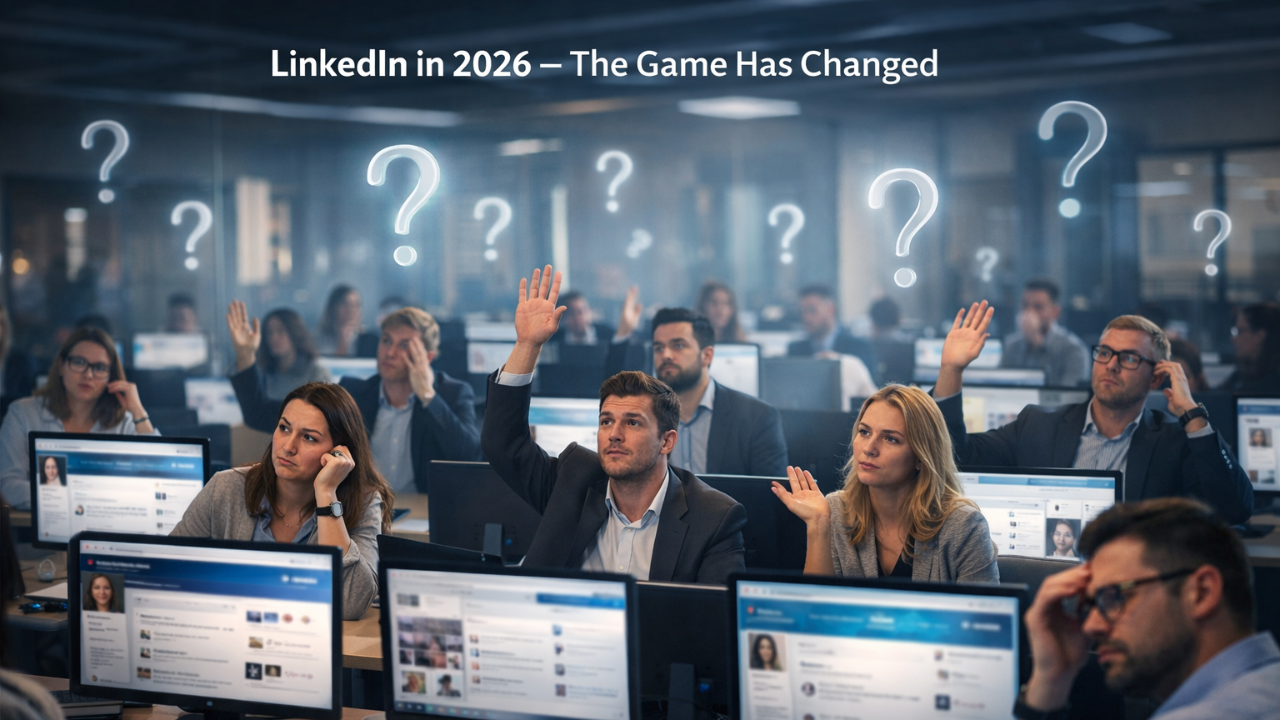
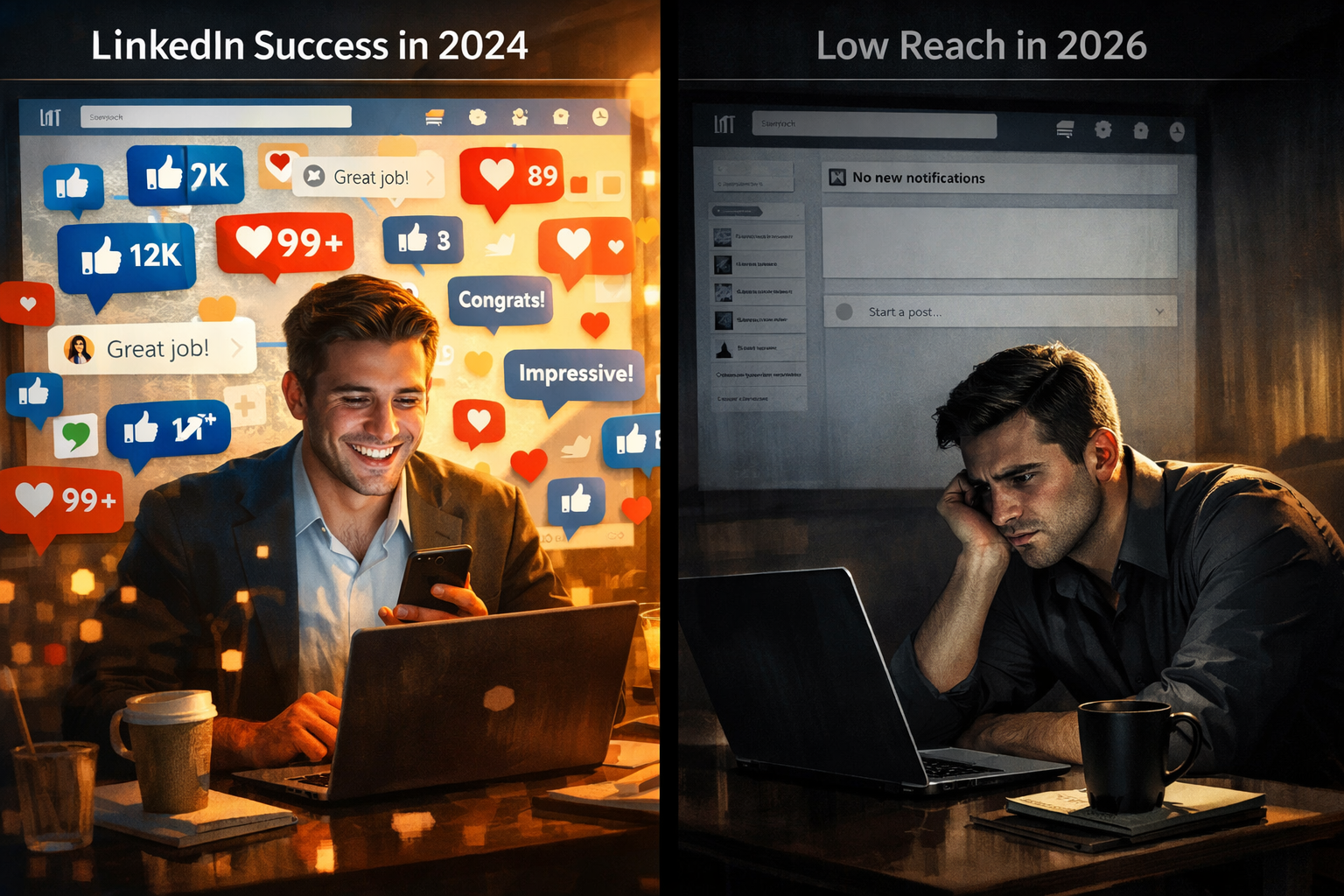
I was chatting with a marketing director in Manchester last week who was genuinely baffled. "Frank," she said, "my LinkedIn posts used to get thousands of views. Same content quality, same posting schedule. Now? Crickets. What the hell happened?"
I pulled up her last ten posts. Every single one had a link in the main text. There was her problem.
LinkedIn fundamentally changed the rules in 2026, and most people are still playing by the 2024 playbook. Having trained professionals across 70+ countries on LinkedIn strategy, I can tell you this with absolute certainty: What worked 18 months ago will actively hurt you today.
The Three Seismic Shifts
External links are poison. Posts with links see 60% less reach. I tested this myself—same post, same timing. The version without the link got 4x more impressions.
Comments beat likes. A post with 50 genuine comments outperforms one with 500 likes. LinkedIn wants conversations, not superficial engagement.
Engagement pods are dead. The algo...
How AI Can Transform Your Speaking Business (But Your Stage Performance Still Determines Everything)

I was sitting in a hotel lobby in Dubai last month, scrolling through my calendar for 2026. sixty-three confirmed speaking gigs. Another dozen in negotiation. My fee higher than it's ever been.
And here's what hit me:
Not a single one of those bookings came from cold outreach.
Not one came from a fancy marketing campaign.
Every single booking—every single one—came because someone saw me speak, or knew someone who saw me speak.
After 25 years on the professional speaking circuit across 70+ countries, I can tell you the uncomfortable truth: 95% of my bookings come from someone in the audience seeing me deliver.
The other 5%? They came from people who watched my showreel and thought, "That's exactly what we need."
Your stage performance is your real marketing. Everything else—your website, your AI prospecting, your social media presence—exists to get you on more stages where more people can see you work.
But here's where it gets interesting.
AI is fundamentally changing how speak...
What 10 Years as a Professional Drummer Taught Me About Running a Business

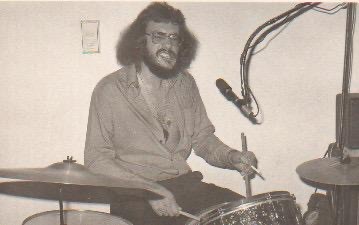
I was 21, sitting behind a drum kit in a smoky jazz club in Johannesburg, absolutely butchering a Miles Davis number. Our guitarist was brilliant. Our bassist was locked in. Our saxophonist was magic.
And I was rushing the tempo. Just slightly. Enough that the whole thing felt... off.
After the set, our band leader—a 60-year-old keyboard player (Werner Krupski) who'd forgotten more about music than I'd ever know—pulled me aside. "Frank," he said quietly, "you're playing for yourself, not for the band. And when you're out of sync, it doesn't matter how good everyone else is. The whole thing sounds wrong."
That conversation changed everything. Not just about drumming, but about how I've approached business for the past 25 years.
I spent a decade playing drums—jazz mostly, some funk and rock, a bit of country when rent was due.
I learned more about leadership, teamwork, and performance in those smoke-filled venues than I ever l...
7 Prompting Secrets That Will Transform How You Use AI
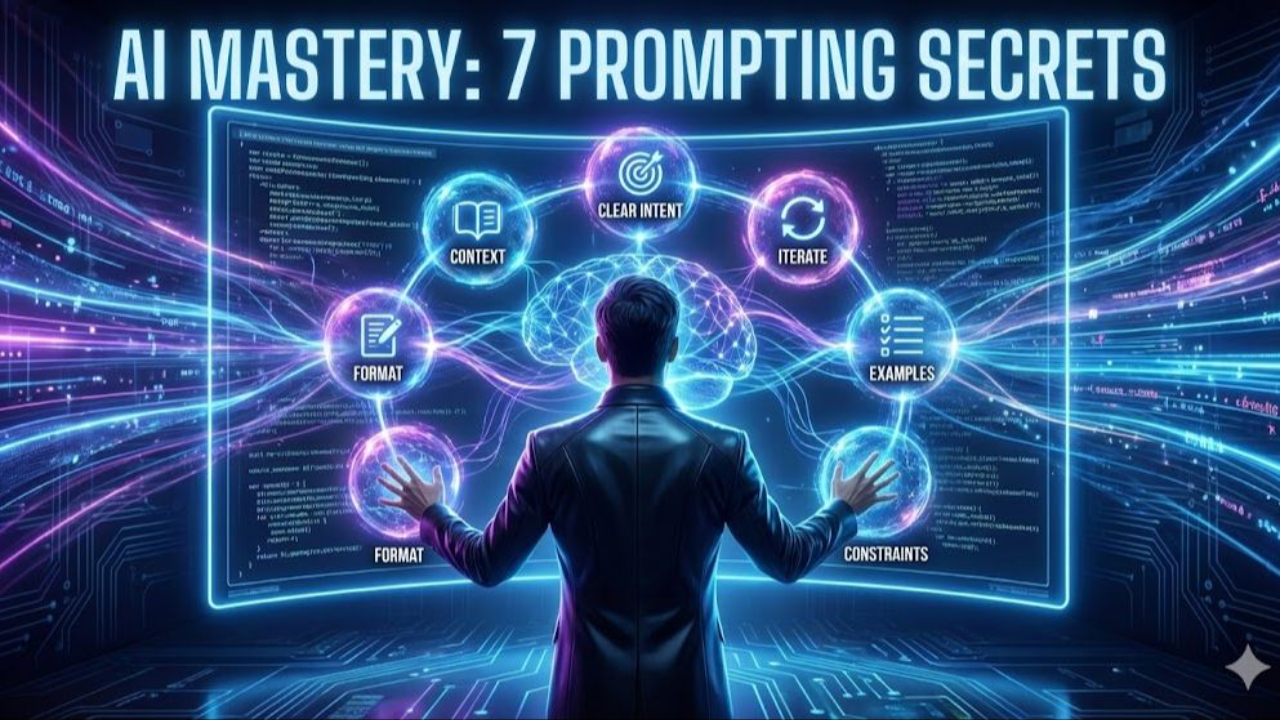
Stop Getting Terrible Results and Start Getting Genius-Level Output
Here's what happens at nearly every conference where I speak about AI:
Someone raises their hand: "I tried ChatGPT and it gave me absolute rubbish. AI just doesn't work for my industry."
Then I ask to see their prompt.
Nine times out of ten, it's something like: "Write me a blog post about leadership."
The problem isn't AI. The problem is they're speaking to a genius like it's a mind reader.
I've spent three years testing AI tools across dozens of business scenarios—from sales proposals in Japan to keynote development in Dubai. The difference between mediocre AI output and genuinely brilliant results comes down to how you ask the question.
1) Give AI a Role (And Watch the Magic Happen)
Most people start with "Write me..." That's like walking into a party and immediately asking someone for a favour.
Instead, tell AI who it should be.
Weak: "Write an email to a difficult client."
Strong: "You are an experienc...
Why Training Your People on AI Isn't Optional Anymore (And What Happens If You Don't)
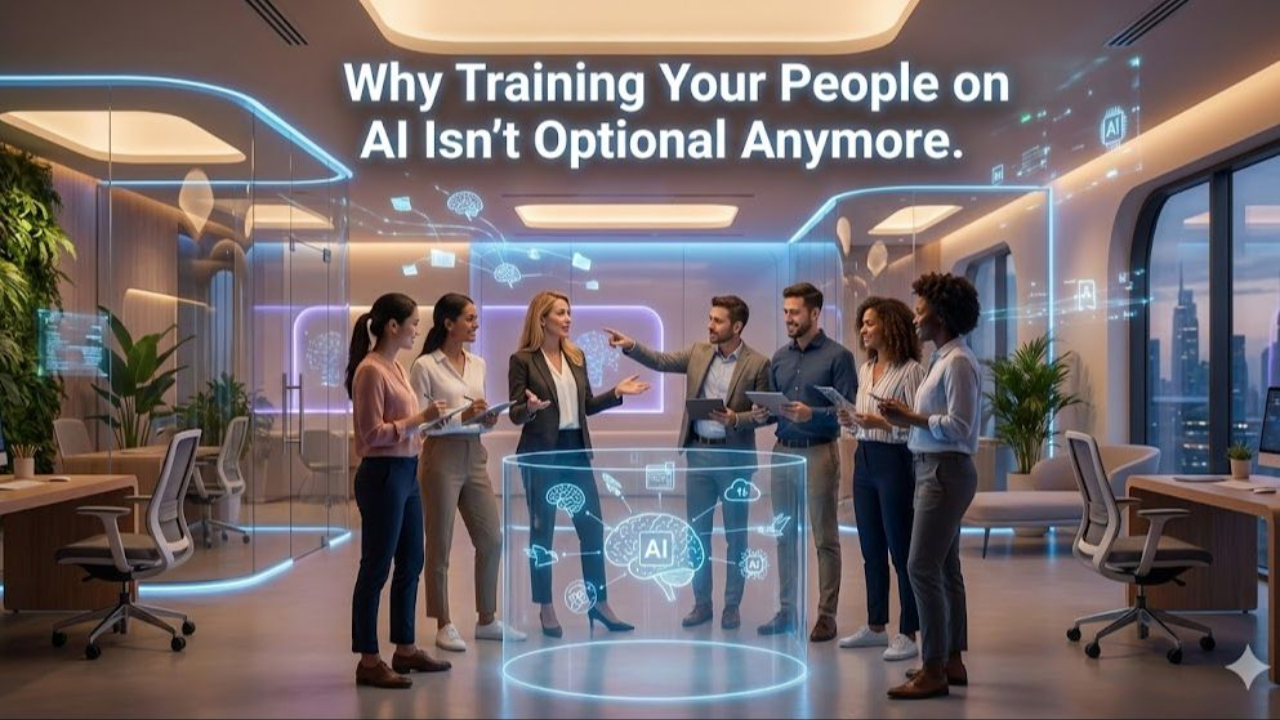
Let me ask you something: When was the last time your company rolled out new software and just assumed everyone would figure it out on their own?
Exactly. You wouldn't dream of it.
Yet that's precisely what most businesses are doing with AI right now. They're giving employees access to ChatGPT or whatever flavour-of-the-month they've subscribed to, then wondering why adoption is patchy and results are underwhelming.
I've trained teams in over 70 countries, and I can tell you this with absolute certainty: Access without training is just expensive confusion.
The businesses winning right now aren't the ones with the best AI tools. They're the ones whose people actually know how to use them properly.
1) The £50,000 Question Nobody's Asking

Three months ago in London, I had this conversation with a CEO of a 200-person firm:
Him: "We've given everyone AI tools. Cost us £50,000 a year. Usage is terrible."
Me: "How much did you spend training them?"
Him: (long pause) "We sent an em...
